
Saving patients time and enhancing care
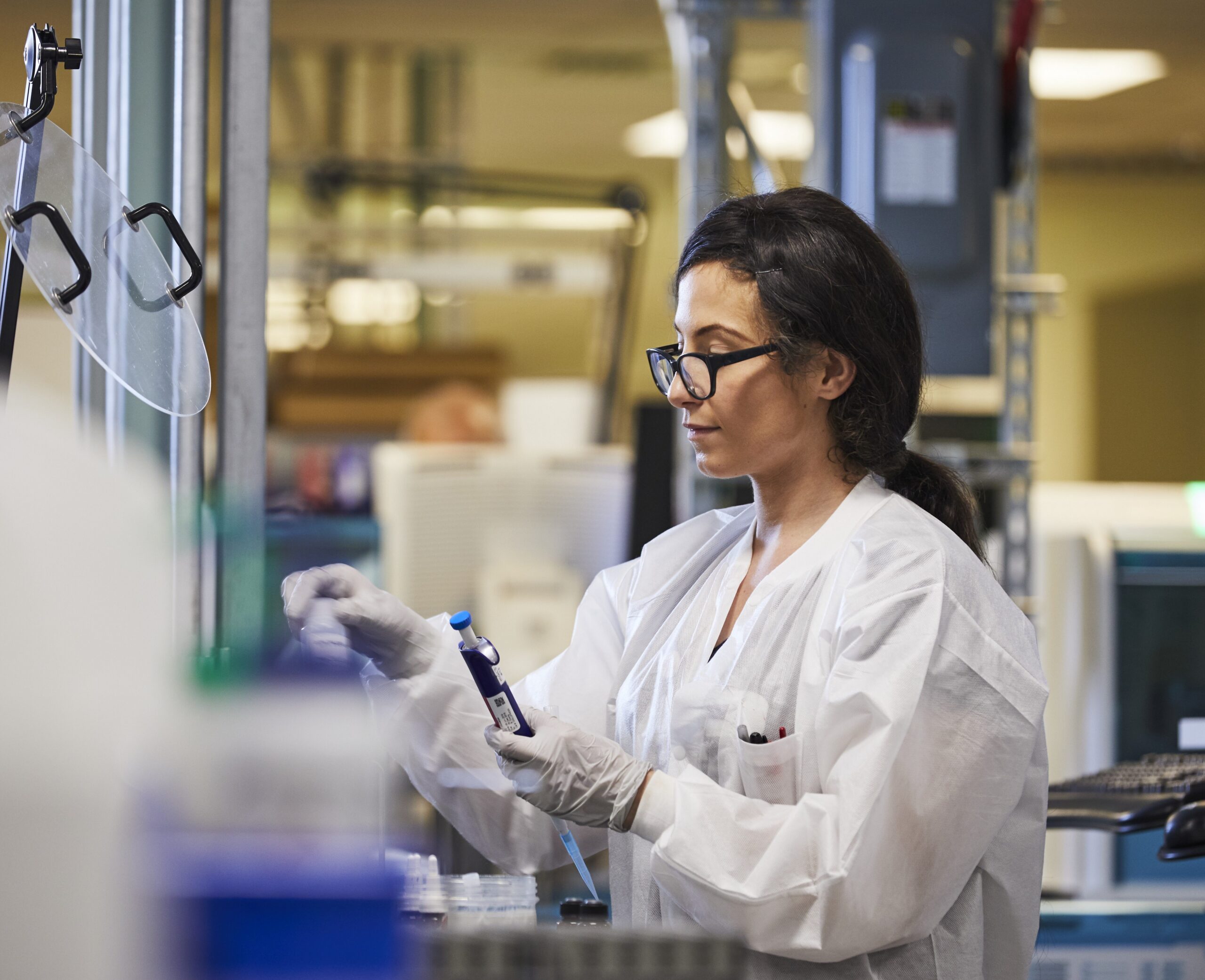
Rapid, precise, and consistent laboratory results are essential for high-quality patient care and outcomes.
“It is estimated that at least 70% of medical decisions are based on laboratory data,” says David N. Louis, MD, chair of the Department of Pathology. “An integrated lab service, which we’ve been building across Mass General Brigham over the past few years, is the backbone of any healthcare system.”
Prior to 2022, more than 25 separate Mass General Brigham pathology locations operated largely independently, each with differing workflows, collection processes, testing practices, and reporting standards. Specialized testing, such as evaluating blood clotting, was not available daily and not offered at all sites, requiring some clinicians to send samples outside the system for testing.
Now, pathology is unified around a single operating model of best practices and standards across all sites. Specialized testing is available for all Mass General Brigham patients, typically within the system and often seven days a week. This speeds up diagnoses and guides better, more precise treatment plans for patients.
Across many medical conditions, including cancer, this time savings makes a significant difference for patients and their future health.
“When we can find cancer early, we have a much better chance of treating it successfully,” says Lecia Sequist, MD, MPH, director of the Cancer Early Detection and Diagnostics Program at Mass General Brigham Cancer Institute. “We’re leading the way in lab services, clinical care, and research to diagnose cancer at the earliest stage, which is a victory for everyone.”
Adds David F. M. Brown, MD, president of Mass General Brigham’s Academic Medical Centers, “Pathology has been a pace car, as an early adopter in their amazing demonstration of how our unified approach improves care for all our patients.”
A patient’s journey at unified Mass General Brigham: From routine blood test to cancer clinical trial in less than 48 hours
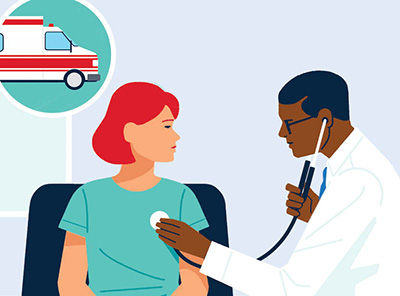
Day 1
- Weary from viral symptoms, Chris* sees a community hospital doctor. Routine blood tests show a high number of white blood cells in Chris’ blood, a symptom of leukemia.
- Chris is immediately transferred by ambulance to an academic medical center for further evaluation. Chris’ blood samples are sent for additional testing.
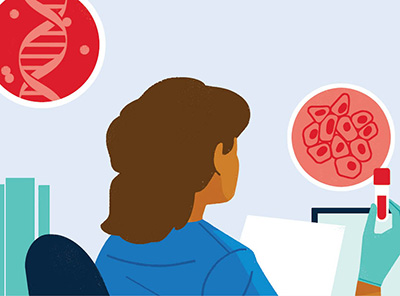
Day 2
- Flow cytometry results confirm the diagnosis of acute myeloid leukemia.
- A hematopathologist sends Chris’ additional blood samples to the Division of Molecular Pathology for next-generation sequencing to identify underlying mutations.

Day 3
- A molecular pathologist uses genetic testing to identify the cancer-causing mutation.
- Chris is diagnosed and rapidly enrolled in a clinical trial for a new class of drug targeting the specific mutation.
This would have taken a week or more before we integrated our labs. Instead, within 48 hours, we could get this patient diagnosed and into a trial targeting the precise form of their cancer. It’s remarkable.